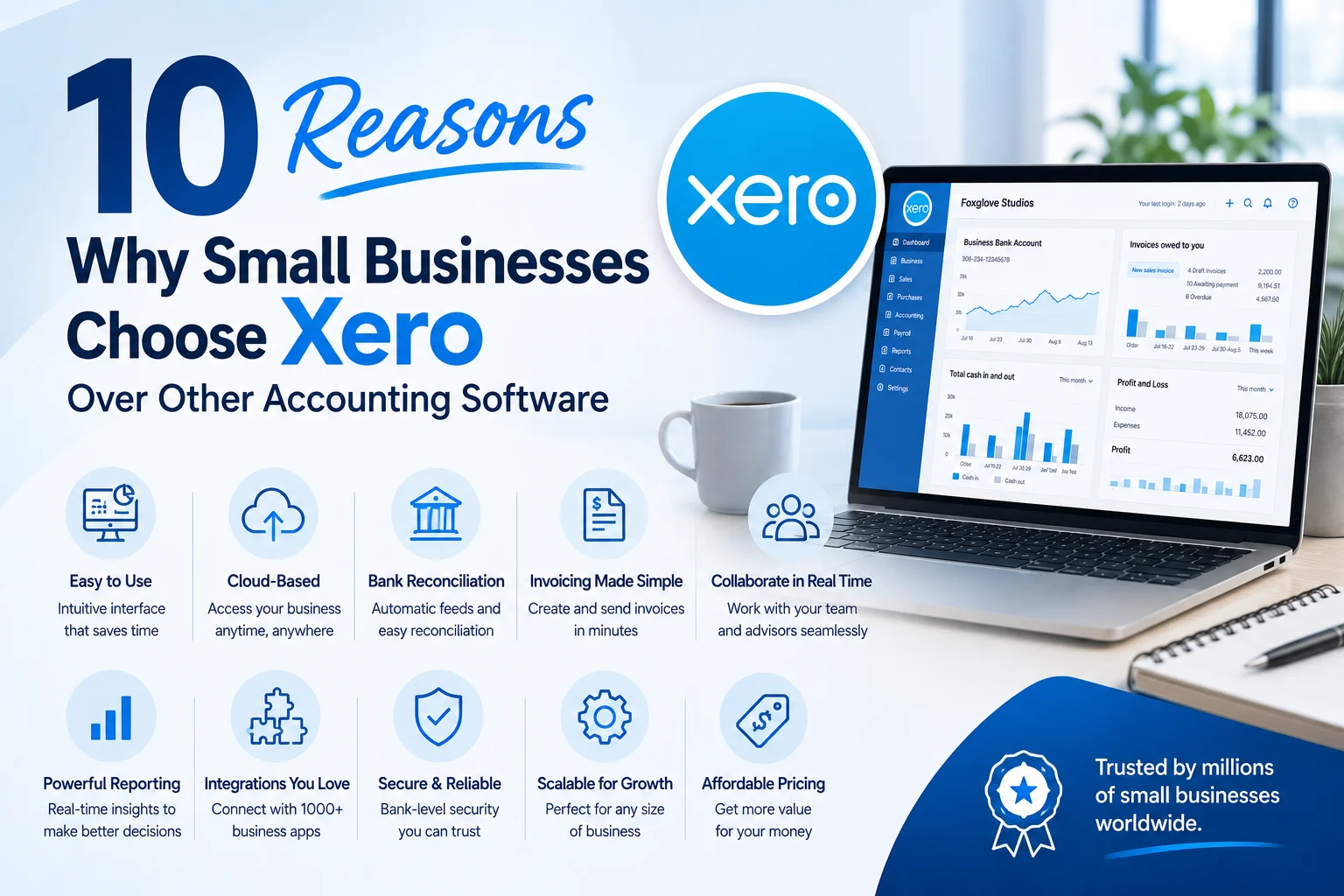
10 Reasons Why Small Businesses Choose Xero Over Other Accounting Software
Choosing accounting software is one of the most important decisions a small business owner can make. The right platform doesn’t just help with bookkeeping—it affects cash flow management, financial reporting, tax preparation, collaboration, and overall business efficiency.
With dozens of accounting solutions available, business owners often find themselves comparing platforms such as QuickBooks Online, FreshBooks, Zoho Books, Sage, and Wave Accounting. While each option has its strengths, Xero continues to stand out as one of the most popular choices for startups, entrepreneurs, freelancers, and growing businesses around the world.
But what makes Xero different?
Why are so many small businesses switching to Xero instead of choosing other accounting software?
In this guide, we’ll explore ten key reasons why Xero has become a preferred accounting solution for modern businesses and why it continues to gain popularity in 2026.
Why Accounting Software Matters More Than Ever
Today’s businesses operate in a fast-moving digital environment. Owners need immediate access to financial information, automated workflows, and tools that help them make informed decisions.
Modern accounting software should help businesses:
- Track income and expenses
- Manage invoices
- Monitor cash flow
- Reconcile bank transactions
- Prepare for taxes
- Collaborate with accountants
- Reduce manual bookkeeping
The challenge is finding a solution that delivers these benefits without becoming overly complicated.
This is where Xero excels.
1. Xero Offers Unlimited Users
One of the biggest advantages Xero has over many competitors is its unlimited user policy.
Several accounting platforms restrict the number of users based on subscription level. As a business grows, additional user access often requires expensive plan upgrades.
Xero takes a different approach.
Most Xero plans allow unlimited users, making collaboration much easier.
Why This Matters
Business owners frequently need access for:
- Accountants
- Bookkeepers
- Business partners
- Office managers
- Financial advisors
Instead of paying extra every time a new team member requires access, businesses can collaborate freely.
For growing companies, this feature alone can result in significant savings over time.
2. User-Friendly Interface for Non-Accountants
Many small business owners are experts in their industries but not necessarily accounting professionals.
Complicated accounting software can create frustration and slow adoption.
Xero is widely recognized for its clean and intuitive design.
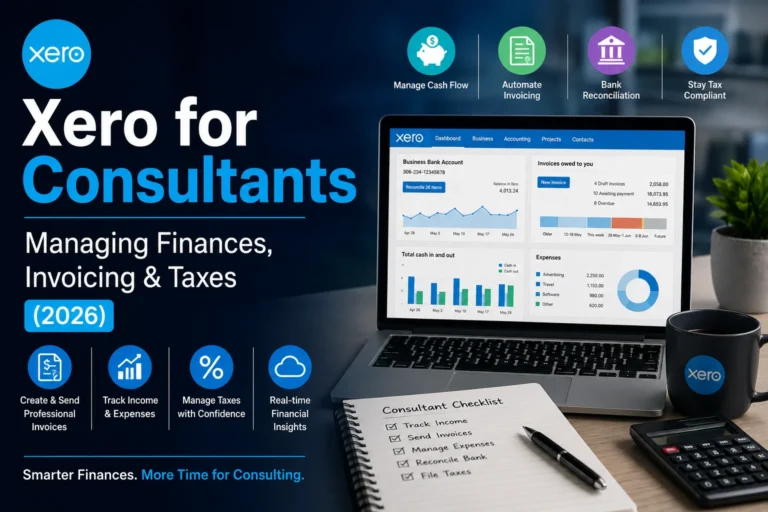
The dashboard presents important financial information in a simple and organized way.
Users can quickly access:
- Bank accounts
- Outstanding invoices
- Bills to pay
- Cash flow information
- Financial reports
The learning curve is relatively gentle, making Xero accessible even to first-time business owners.
3. Powerful Bank Reconciliation Tools
Bank reconciliation is often one of the most time-consuming bookkeeping tasks.
Traditionally, business owners had to manually compare bank statements against accounting records.
Xero simplifies this process through automated bank feeds and intelligent matching tools.
Transactions are imported automatically, and Xero suggests potential matches based on previous activity.
Benefits Include
- Faster bookkeeping
- Reduced data entry
- Fewer mistakes
- Improved financial accuracy
Many users report that Xero’s reconciliation system is one of the platform’s strongest features.
4. Excellent Cloud Accessibility
Modern businesses are no longer tied to a physical office.
Owners, employees, and accountants often work remotely or across multiple locations.
Because Xero is cloud-based, users can access financial information from virtually anywhere with an internet connection.
This flexibility allows businesses to:
- Manage finances while traveling
- Work remotely
- Collaborate in real time
- Access reports instantly
For modern business operations, cloud accessibility has become essential rather than optional.
5. Strong Automation Features
Automation is one of the main reasons businesses invest in accounting software.
Manual bookkeeping consumes valuable time that could be spent serving customers or growing the business.
Xero includes numerous automation tools, including:
Bank Rules
Automatically categorize recurring transactions.
Recurring Invoices
Generate invoices automatically for repeat customers.
Payment Reminders
Reduce late payments without manual follow-up.
Expense Management
Simplify receipt collection and expense tracking.
These features help reduce repetitive work while improving consistency.
6. Large Integration Ecosystem
Businesses rarely use accounting software alone.
Most companies also rely on tools for:
- E-commerce
- Payments
- Payroll
- Customer relationship management
- Inventory management
- Project tracking
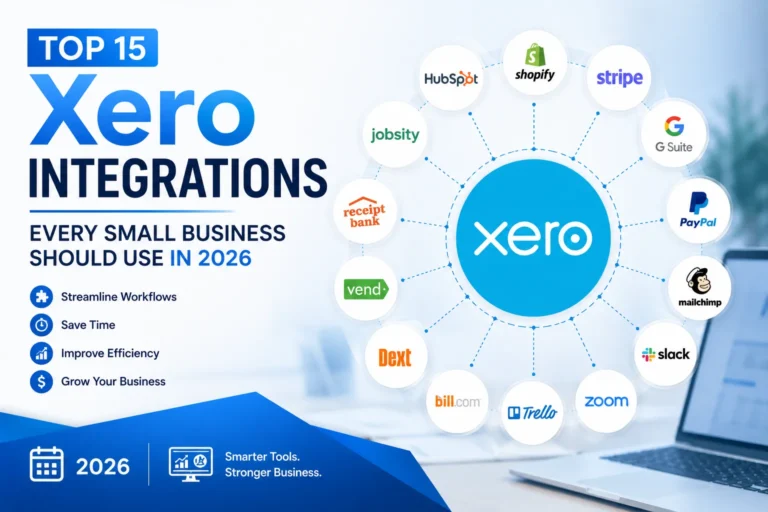
One of Xero’s greatest strengths is its extensive integration marketplace.
Popular integrations include:
- Shopify
- WooCommerce
- Stripe
- PayPal
- HubSpot
- Gusto
- Square
- Zapier
- Wise
This flexibility allows businesses to build a customized workflow around their unique needs.
7. Professional Invoicing and Faster Payments
Cash flow is critical for every business.
Late payments can create financial pressure even when a business is profitable.
Xero provides powerful invoicing tools that help businesses get paid faster.
Features include:
- Custom invoice templates
- Online payments
- Recurring billing
- Automated reminders
- Payment tracking
Professional invoices improve customer experience while reducing administrative work.
Many businesses notice improved payment collection after implementing automated reminders.
8. Comprehensive Financial Reporting
Business decisions should be based on accurate financial data.
Xero provides a wide range of reports that help owners understand their financial position.
Popular reports include:
Profit and Loss Reports
Track revenue and expenses.
Balance Sheets
Monitor assets, liabilities, and equity.
Cash Flow Reports
Understand money entering and leaving the business.
Budget Reports
Compare performance against goals.
These reports provide valuable insights that help owners identify opportunities and address potential problems early.
9. Ideal for Working With Accountants and Bookkeepers
Many small businesses rely on accountants for tax preparation, financial planning, and compliance support.
Xero was designed with collaboration in mind.
Accountants can access real-time financial data without waiting for files to be emailed or exported.
Benefits include:
- Faster communication
- Improved accuracy
- Better financial visibility
- Reduced administrative work
Because many accounting firms already support Xero, business owners often find it easier to receive professional assistance.
10. Scalability for Growing Businesses
A common mistake many startups make is choosing software based only on current needs.
As a business grows, accounting requirements become more complex.
Additional needs may include:
- More transactions
- Additional employees
- Inventory tracking
- International payments
- Advanced reporting
Xero is designed to grow alongside businesses.
Instead of switching platforms every few years, many companies continue using Xero throughout various stages of growth.
This scalability makes Xero a long-term solution rather than a temporary one.
How Xero Compares to Other Accounting Software
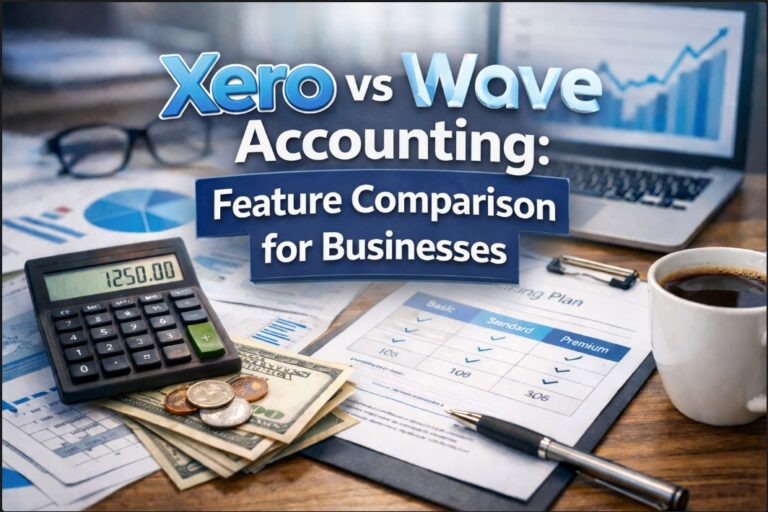
While platforms like QuickBooks Online, FreshBooks, Zoho Books, and Wave each have strengths, Xero often stands out because of its balance between simplicity and functionality.
Compared to QuickBooks
- Better user collaboration
- Unlimited users
- Cleaner interface
Compared to FreshBooks
- Stronger accounting capabilities
- Better reporting
- More scalability
Compared to Wave
- More advanced features
- Better integrations
- Stronger growth potential
Compared to Zoho Books
- Larger integration ecosystem
- Greater international support
- Stronger accountant adoption
This balance makes Xero attractive to a wide variety of businesses.
Who Should Choose Xero?
Xero is particularly well-suited for:
Startups
Businesses building scalable systems from the beginning.
Small Businesses
Companies seeking a complete accounting solution.
Freelancers
Professionals wanting better financial organization.
Agencies
Businesses managing multiple clients and projects.
E-Commerce Stores
Retailers needing integrations with online selling platforms.
Service Providers
Consultants, contractors, and professional firms.
The platform adapts well across industries.
Is Xero Worth It in 2026?
For most small businesses, the answer is yes.
The combination of automation, cloud accessibility, unlimited users, integrations, and powerful reporting makes Xero one of the strongest accounting solutions available today.
While it may not be the cheapest option on the market, the time savings and efficiency improvements often justify the investment.
Businesses that prioritize organization, collaboration, and scalability frequently find that Xero delivers excellent value over the long term.
Final Thoughts
Small businesses choose Xero because it simplifies accounting without sacrificing functionality. It offers the automation, flexibility, and financial visibility modern businesses need while remaining accessible to users without extensive accounting experience.
From unlimited users and automated bank reconciliation to professional invoicing and an extensive integration ecosystem, Xero provides a well-rounded solution capable of supporting businesses through every stage of growth.
If you’re evaluating accounting software in 2026 and looking for a platform that balances ease of use with powerful features, Xero remains one of the strongest choices available.
The right accounting software should save time, improve decision-making, and support growth. For many small businesses around the world, that’s exactly why Xero continues to be the preferred option.