Smart Accounting with the Best Tools
Accounting, often dubbed the “language of business,” forms the bedrock of sound financial management for organizations of all sizes. It provides a systematic framework for recording, classifying, summarizing, and interpreting financial transactions, ultimately delivering critical insights into a company’s performance and financial position. Without accurate and reliable accounting practices, businesses would struggle to make informed decisions, attract investors, comply with regulations, and ultimately, survive in a competitive market. This article explores the fundamental importance of accounting and delves into the world of user-friendly accounting software, with a particular focus on Xero, and other leading solutions that are transforming the way businesses manage their finances.
The Core Functions of Accounting
Accounting encompasses a broad range of functions, all geared toward providing a clear and comprehensive picture of an organization’s financial health. These functions include:
- Bookkeeping: This is the foundational process of recording all financial transactions, such as sales, purchases, payments, and receipts, in a systematic and organized manner. Accurate bookkeeping is essential for generating reliable financial statements.
- Financial Statement Preparation: Accounting principles dictate the creation of standardized financial statements, including the balance sheet, income statement, and statement of cash flows. These statements provide a snapshot of a company’s assets, liabilities, equity, revenue, expenses, and cash flows over a specific period.
- Financial Analysis: Accountants analyze financial statements to identify trends, assess profitability, evaluate liquidity, and make recommendations for improvement. This analysis helps management make strategic decisions, such as whether to invest in new equipment, expand into new markets, or cut costs.
- Tax Compliance: Accounting plays a crucial role in ensuring compliance with tax laws and regulations. Accountants prepare tax returns, calculate tax liabilities, and advise businesses on tax planning strategies to minimize their tax burden.
- Auditing: Auditing involves the independent examination of financial records to verify their accuracy and reliability. Internal audits are conducted by employees within the organization, while external audits are performed by independent certified public accountants (CPAs).
- Management Accounting: This branch of accounting focuses on providing information to internal users, such as managers and executives, to help them make operational and strategic decisions. Management accounting techniques include budgeting, cost accounting, and performance analysis.
The Benefits of Effective Accounting
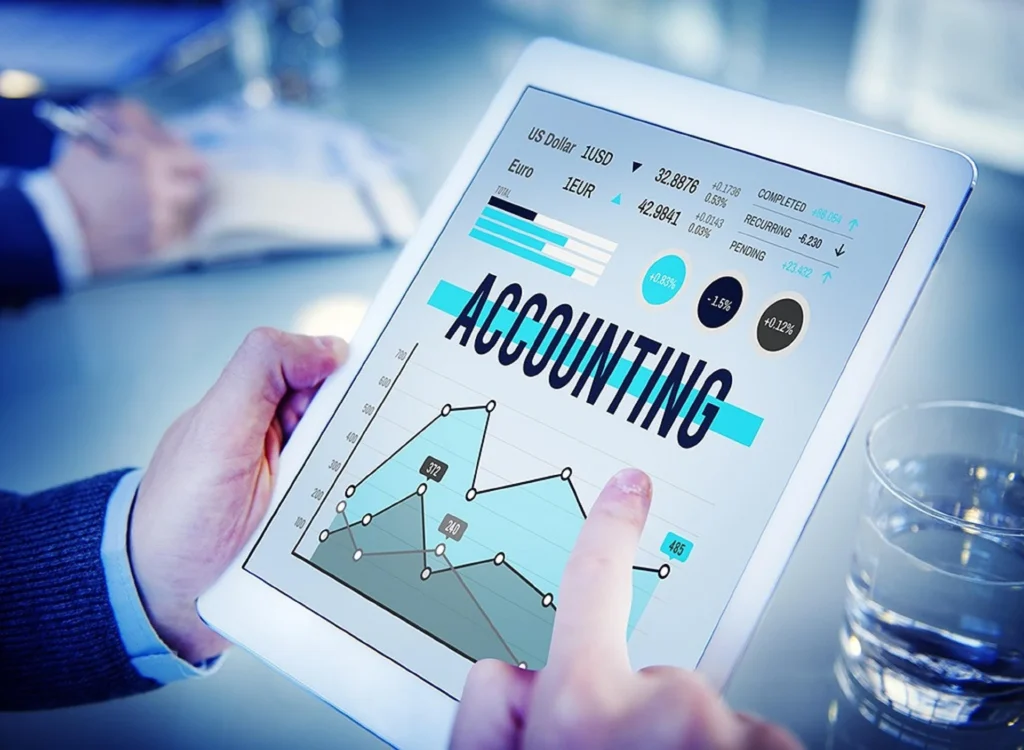
Implementing robust accounting practices offers a multitude of benefits for businesses, including:
- Improved Decision-Making: Accurate financial data empowers managers to make informed decisions about pricing, production, investment, and financing.
- Enhanced Financial Control: Accounting systems provide a framework for monitoring and controlling financial resources, reducing the risk of fraud and errors.
- Increased Profitability: By tracking revenue and expenses, businesses can identify areas where they can improve efficiency and increase profitability.
- Attracting Investors: Investors rely on financial statements to assess the financial health and potential of a company. Accurate and transparent accounting practices enhance investor confidence.
- Compliance with Regulations: Accounting ensures compliance with tax laws, securities regulations, and other legal requirements.
- Better Access to Financing: Lenders require financial statements to evaluate a company’s creditworthiness. Strong accounting practices increase the likelihood of securing loans and other forms of financing.
The Evolution of Accounting Software
Historically, accounting was a manual and time-consuming process, relying on paper ledgers and calculators. The advent of computers and software revolutionized the field, automating many of the tedious tasks and providing businesses with more sophisticated tools for financial management.
Early accounting software was often complex and expensive, requiring specialized training and significant IT infrastructure. However, the rise of cloud computing and Software-as-a-Service (SaaS) has made accounting software more accessible and affordable for businesses of all sizes.

User-Friendly Accounting Software: A Game Changer
Modern accounting software is designed to be user-friendly, intuitive, and accessible to non-accountants. These solutions automate many of the core accounting functions, such as bookkeeping, invoicing, and reconciliation, freeing up business owners and finance professionals to focus on more strategic tasks.
Key features of user-friendly accounting software include:
- Intuitive Interface: Easy-to-navigate dashboards and menus make it simple to access the features and information you need.
- Automation: Automated tasks, such as bank reconciliation and invoice generation, save time and reduce the risk of errors.
- Cloud-Based Access: Cloud-based software allows you to access your financial data from anywhere with an internet connection, making it ideal for remote teams and businesses on the go.
- Integration with Other Business Systems: Seamless integration with other business systems, such as CRM and e-commerce platforms, streamlines workflows and eliminates data silos.
- Mobile Apps: Mobile apps allow you to manage your finances on the go, from sending invoices to tracking expenses.
- Real-Time Reporting: Real-time reporting provides up-to-date insights into your financial performance, enabling you to make timely decisions.
Top Accounting Software Solutions
The market for accounting software is crowded, with a wide range of solutions to choose from. Some of the top players include:
- Xero: Xero is a leading cloud-based accounting software platform designed for small to medium-sized businesses. It offers a comprehensive suite of features, including bookkeeping, invoicing, bank reconciliation, reporting, and payroll. Xero is known for its user-friendly interface, seamless integration with other business systems, and robust mobile app.
- QuickBooks Online: QuickBooks Online is another popular cloud-based accounting solution, particularly well-suited for small businesses and freelancers. It offers a range of plans to suit different needs and budgets, with features such as invoicing, expense tracking, and payroll.
- Sage Intacct: Sage Intacct is a cloud-based financial management system designed for growing businesses and mid-sized companies. It offers advanced features such as multi-entity consolidation, revenue recognition, and project accounting.
- Zoho Books: Zoho Books is a cloud-based accounting solution that is part of the Zoho suite of business applications. It offers features such as invoicing, expense tracking, and bank reconciliation, and integrates seamlessly with other Zoho apps.
Xero Accounting Software: A Closer Look
Xero stands out as a particularly user-friendly and powerful accounting software solution, especially well-suited for small and medium-sized businesses. Its key features and benefits include:
- User-Friendly Interface: Xero’s intuitive interface makes it easy for non-accountants to manage their finances. The dashboard provides a clear overview of your financial position, and the menus are easy to navigate.
- Bank Reconciliation: Xero automates the bank reconciliation process, importing bank transactions and matching them to your accounting records. This saves time and reduces the risk of errors.
- Invoicing: Xero allows you to create and send professional-looking invoices, track payments, and automate payment reminders.
- Reporting: Xero offers a range of customizable reports, including profit and loss statements, balance sheets, and cash flow statements.
- Inventory Management: Xero’s inventory management features allow you to track your stock levels, manage purchase orders, and calculate cost of goods sold.
- Payroll: Xero offers payroll solutions for businesses in various countries, allowing you to automate payroll calculations, tax deductions, and employee payments.
- Integration with Third-Party Apps: Xero integrates seamlessly with hundreds of third-party apps, such as CRM, e-commerce, and payment processing platforms.
- Mobile App: Xero’s mobile app allows you to manage your finances on the go, from sending invoices to reconciling bank transactions.
- Pricing: Xero offers different pricing plans based on the features and number of users you need, making it scalable for growing businesses.
Choosing the Right Accounting Software
Selecting the right accounting software is a critical decision for any business. Consider the following factors when making your choice:
- Business Size and Complexity: Choose a solution that is appropriate for the size and complexity of your business. Small businesses with simple accounting needs may be well-served by QuickBooks Online or Zoho Books, while larger businesses with more complex requirements may need Sage Intacct or Xero.
- Features and Functionality: Identify the features and functionality that are most important to your business. Do you need invoicing, expense tracking, payroll, inventory management, or project accounting?
- User-Friendliness: Choose a solution that is easy to use and understand, even for non-accountants.
- Integration with Other Systems: Ensure that the software integrates seamlessly with your other business systems, such as CRM and e-commerce platforms.
- Pricing: Compare the pricing of different solutions and choose a plan that fits your budget.
- Customer Support: Look for a provider that offers excellent customer support, including phone, email, and online resources.
- Security: Ensure that the software provides robust security features to protect your financial data.
Conclusion
Accounting is an indispensable function for businesses of all sizes, providing the financial intelligence needed to make informed decisions, manage resources effectively, and achieve sustainable growth. User-friendly accounting software has revolutionized the way businesses manage their finances, automating tasks, improving accuracy, and providing real-time insights. Xero, along with other leading solutions like QuickBooks Online, Sage Intacct, and Zoho Books, empowers businesses to take control of their finances and focus on what they do best: serving their customers and growing their business. By carefully evaluating their needs and choosing the right accounting software, businesses can unlock the full potential of their financial data and achieve long-term success.