Best Cloud Accounting Software for Startups in 2026
Starting a new business is exciting, but keeping your finances on track is essential from day one. The right cloud accounting software can be a game-changer for startups, helping you streamline bookkeeping, forecast cash flow, and focus on growth. In 2026, a new wave of tools combines ease of use with powerful automation, making it easier than ever to scale without a full back-office team. This guide breaks down the top cloud accounting options, what makes them stand out, and how to choose the best fit for your startup.
What Finances Need From a Startup Tool
Before diving into specific products, it helps to define what startups typically need:
- Quick onboarding and intuitive design for non-accountants
- Real-time visibility into cash flow and profitability
- Scalable features as the company grows (invoicing, payroll, multi-currency, taxes)
- Strong automation to reduce manual data entry
- Clear reporting for founders, investors, and lenders
With these criteria in mind, the best tools balance simplicity with depth, offering a clear path from early-stage bookkeeping to more advanced financial control.
FreshBooks — Simplicity with a Strong Invoicing Core
What it’s best for:
- Service-based startups, freelancers, and teams that bill clients frequently
- Quick invoicing, time tracking, and expense capture
Strengths:
- Very user-friendly interface and fast time-to-invoice workflow
- Clean client portals and automated payment reminders
- Solid mobile experience and good receipts capture
Limitations for growth:
- Not as feature-rich for complex accounting needs (e.g., multi-entity consolidation, robust bank reconciliation)
- May require integration with another tool as you scale and diversify revenue streams
Why startups love it:
- Fast time-to-value and minimal training time
- Great for validating a service-based business model with tight cash flow management
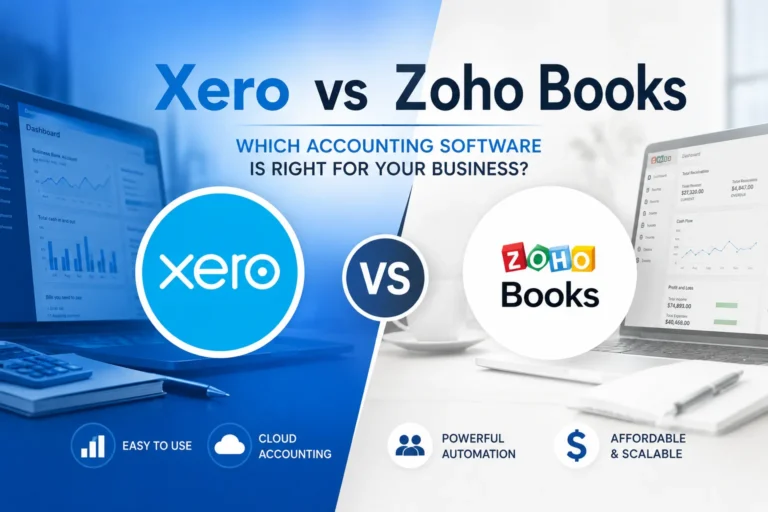
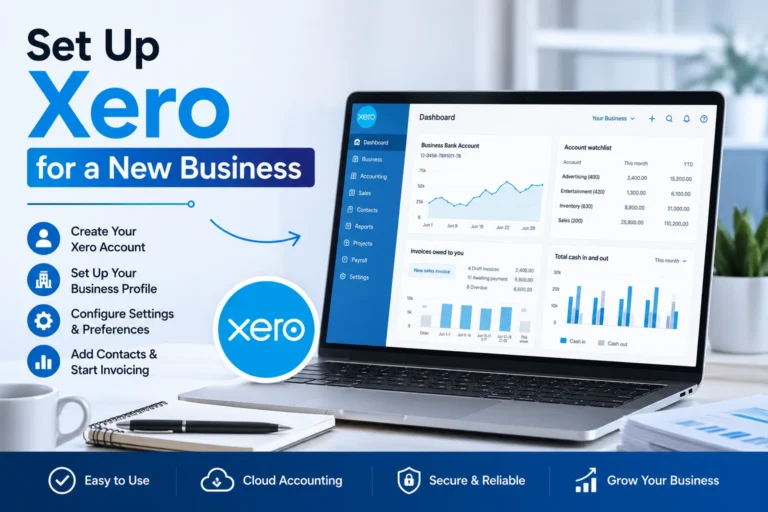
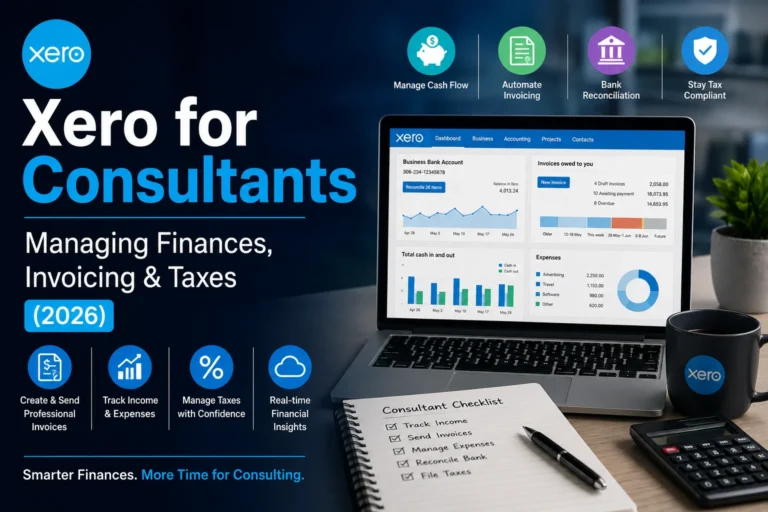
Xero — Depth, Collaboration, and Global Readiness
What it’s best for:
- Startups planning rapid growth, multiple team members, and global operations
Strengths:
- Strong bank feeds, real-time reconciliation, and powerful automation rules
- Multi-currency support, robust reporting, and scalable permissions
- Large ecosystem of apps for payroll, CRM, e-commerce, and more
Limitations:
- Steeper learning curve than simpler tools
- Some features are behind higher-tier plans, which can be a consideration for bootstrapped startups
Why startups love it:
- A future-proof platform that grows with your company
- Excellent for founders who want a complete picture of finances and investor-ready reporting
QuickBooks Online — Broad Adoption, Flexible Plans
What it’s best for:
- Startups that may eventually acquire traditional accounting practices or require broad integrations
Strengths:
- Widely used by accountants, making it easier to hire support
- Strong invoicing, payroll options, and a large app marketplace
- Good balance between ease of use and depth
Limitations:
- Some users report that certain features require time to configure
- Can get pricey with add-ons for payroll and advanced reporting
Why startups love it:
- Familiar interface for many teams, with a large support network
- Flexible growth path from basic bookkeeping to more complex operations
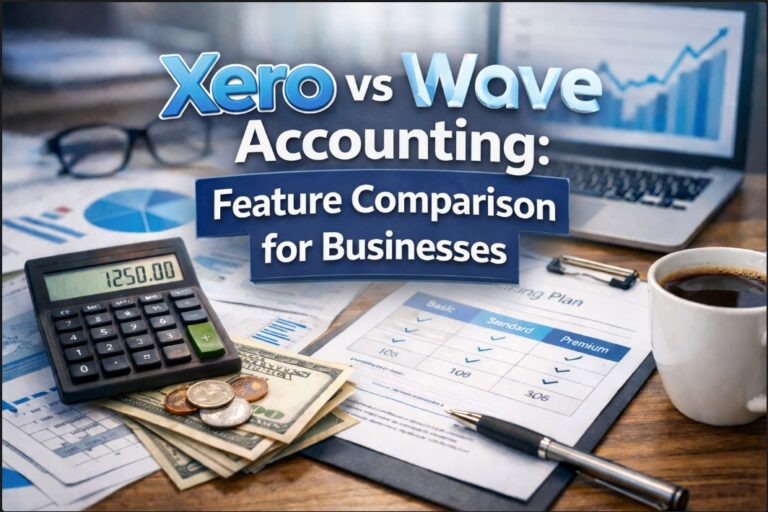
Wave Accounting — Free Start, Solid for Lean Startups
What it’s best for:
- Very early-stage startups with tight budgets and straightforward needs
Strengths:
- Genuine free plan for core accounting features
- Invoicing and receipt scanning are straightforward
- Simple dashboards and essential reporting
Limitations:
- No built-in payroll in most regions; limited third-party payroll options
- Fewer automation features and scalability options compared to paid platforms
Why startups love it:
- Zero-cost entry with a clean, focused feature set
- Great for validating business ideas without a large software commitment
Sage Intacct and Netsuite—Enterprise-Grade Options for Later Stages
What it’s best for:
- Startups planning to scale rapidly into multi-entity, multinational operations
Strengths:
- Advanced financials, multi-entity management, and strong governance
- Robust reporting, audit trails, and compliance features
Limitations:
- Higher cost and more complex implementation
- Typically overkill for early-stage startups
Why startups love it:
- Ready-to-scale platforms that reduce migration headaches later
How to Choose the Right Tool for Your Startup
Consider these decision-makers:
- Growth trajectory: Do you expect to scale quickly, hire a finance team, or seek investor funding soon?
- Core needs: Is invoicing your primary need, or do you require comprehensive accounting and reporting?
- Budget: What can you invest now, and what will you